Eco-Friendly Cottages at Loch Ness – Your Green Getaway
If you love the Highlands and want to travel light on the planet, an eco-friendly cottage is the perfect choice. These cottages blend comfort with low‑impact design, so you can enjoy the loch, the mist, and the wildlife without adding extra carbon. Below is a quick guide to what to look for, how to pick the right spot, and a few handy tips for a truly sustainable stay.
What Makes a Cottage Eco-Friendly?
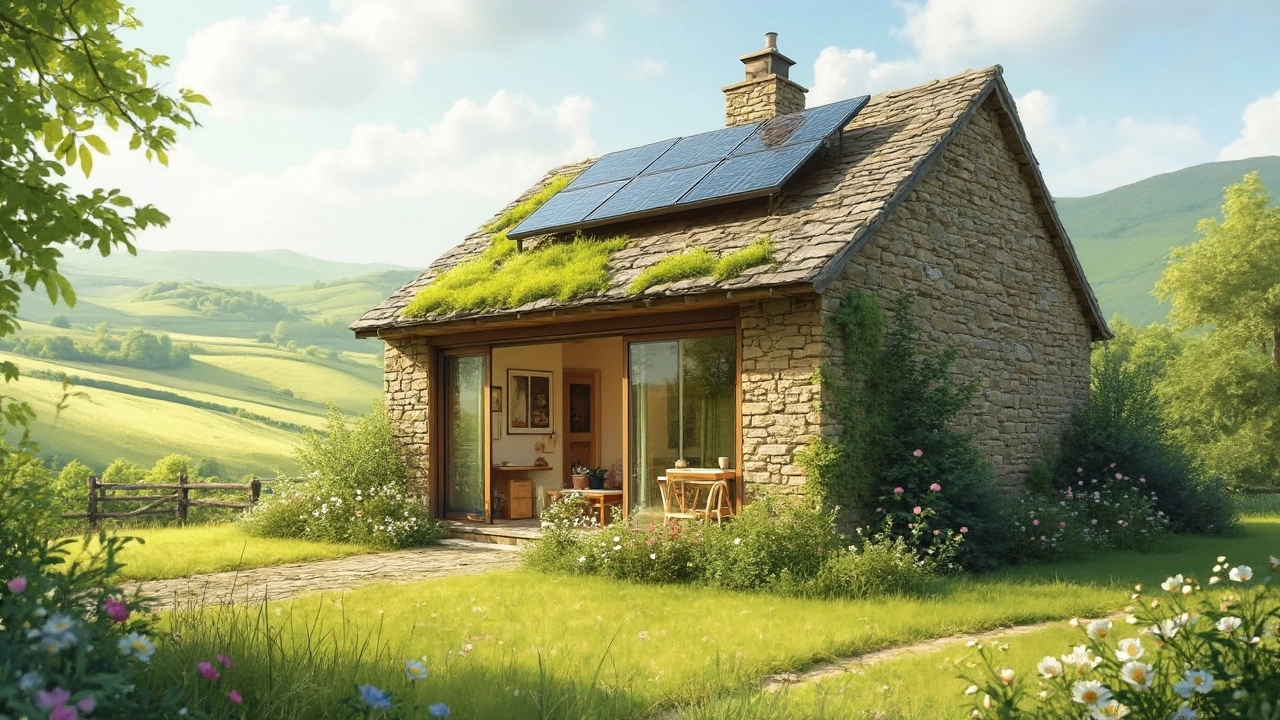
First, check the building materials. Reclaimed wood, stone sourced locally, and natural insulation (like sheep’s wool or hemp) are big green flags. Look for certifications such as BREEAM or Scottish Green Building Standards – they prove the cottage meets strict energy and waste standards.
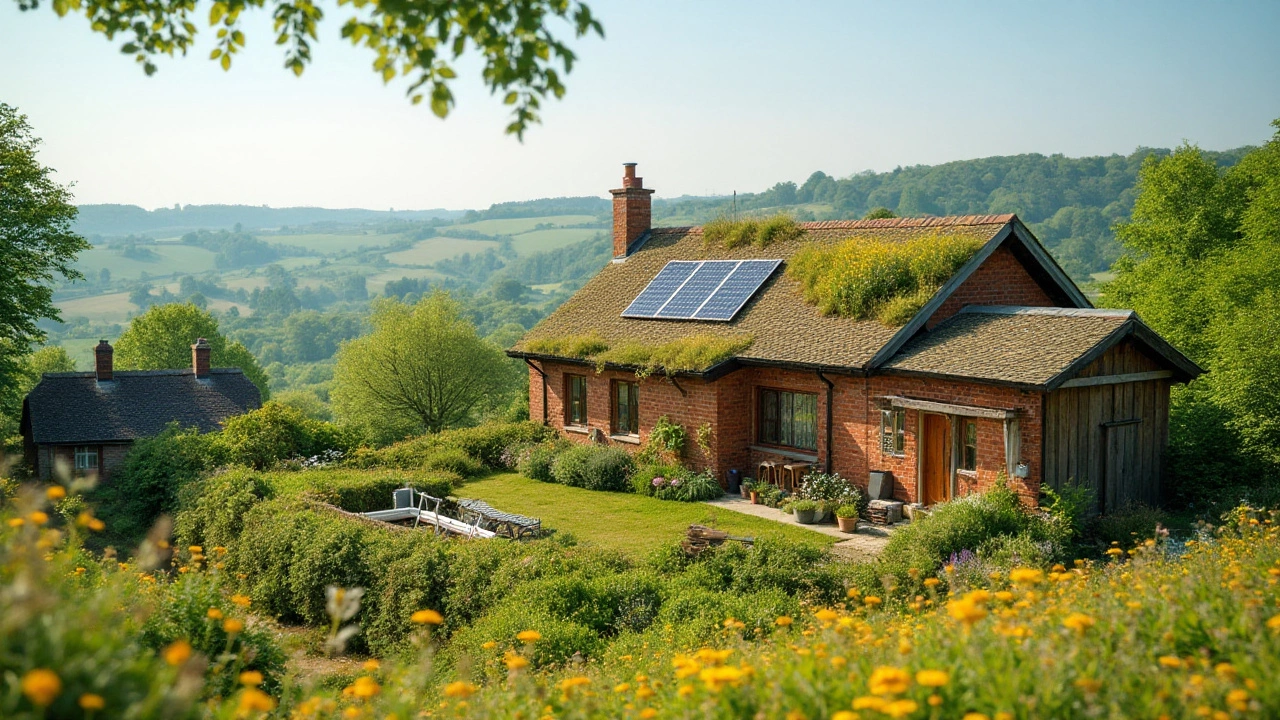
Second, energy matters. Solar panels on the roof, ground‑source heat pumps, or a small wind turbine show the owner is cutting reliance on fossil fuels. If the cottage uses LED lighting and energy‑efficient appliances, you’ll see lower electricity bills and a smaller footprint.
Third, water stewardship. Low‑flow taps, rainwater harvesting, and composting toilets are common in true eco cottages. These features reduce the strain on local water supplies and keep waste out of the loch.
Choosing the Right Eco Cottage
Start by asking the host about their sustainability policies. Do they provide recycling bins? Are cleaning products biodegradable? A transparent owner will gladly share this info.
Location matters too. A cottage set a short walk from the water means you’ll drive less. Many eco cottages sit on walking trails or near public transport stops, letting you explore by foot or bike.
Size and layout affect energy use. Smaller cottages need less heating, and open‑plan designs let natural light warm the space. If you’re traveling with a group, consider a slightly larger spot but still under 150 sqm to keep the carbon profile reasonable.
Read reviews that mention sustainability. Guests often note if the heating was efficient, if the garden felt truly natural, or if the host provided reusable kitchenware instead of disposable plastic.
Finally, think about your own habits. Bring a reusable water bottle, pack a cloth shopping bag, and plan to cook most meals at the cottage. Using the kitchen cuts down on restaurant waste and lets you take advantage of local produce.
Need more ideas? Check out related reads like “Best Eco‑Friendly Homes: Sustainable Housing Types and Tips,” “Are Eco Homes Expensive? Real Costs, Savings & Smart Choices,” and “Eco Home Disadvantages: Hidden Costs and Common Pitfalls Explained.” They give extra context on the price and performance of green living.
When you book an eco-friendly cottage near Loch Ness, you’re not just buying a night’s sleep—you’re supporting a greener tourism model that benefits the area’s wildlife and keeps the loch sparkling for the next visitor.
So, grab a map, pick a certified green cottage, and enjoy the peace of the Highlands knowing you’re doing right by the planet.